
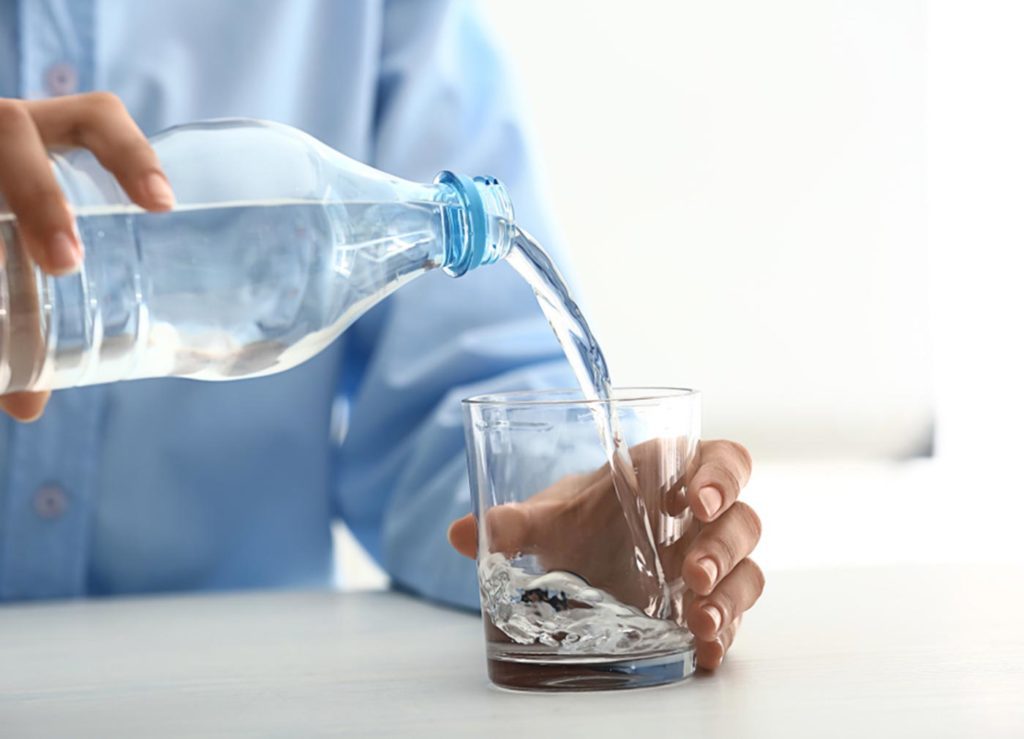
How Much Water Should I Drink? The Ultimate Hydration Guide for Health & Wellness

How Much Water Should I Drink? The Ultimate Hydration Guide for Health & Wellness

Staying hydrated isn’t just some wellness influencer’s latest obsession—it’s the ancient cornerstone of good health, the same as it was for your great-grandparents. 

But in this digital age, the question of “how much water should I drink daily?” gets more confusing by the day. Let’s cut through the noise, bust myths, and tap into everything you need to know about water intake, hydration tips, and what happens when you get it wrong.

Why Hydration Matters: The Real Benefits of Drinking Water

Water isn’t just a thirst-quencher. It’s the unsung hero of your entire body. Over 60% of you is H2O, from your brain to your bones.

Major Benefits of Proper Hydration

  • Regulates body temperature and prevents overheating during workouts or hot weather.
  • Boosts energy levels and reduces fatigue.
  • Supports digestion and helps prevent constipation.
  • Flushes out toxins through urine, sweat, and bowel movements.
  • Improves cognitive function (focus, memory, mood).
  • Promotes healthy skin and a natural glow.
  • Supports cardiovascular health and normal blood pressure.
  • Enhances athletic performance and reduces the risk of muscle cramps.

Hydration and Disease Prevention

  • Proper hydration lowers the risk of kidney stones, urinary tract infections (UTIs), heat stroke, and headache.
  • Supports immune health and may even help with healthy weight management.

Quick Fact: Motor coordination, mood, and memory can all be affected by even mild dehydration. Thirst is essentially your body’s emergency signal!

How Much Water Should I Drink Daily?

How Much Water Should I Drink Daily?

Here’s the truth: there’s no “one size fits all” answer to daily water intake. But let’s break it down for real-life situations.

MedlinePlus states that adults should consume 91 to 125 fluid ounces (2.7 to 3.7 liters) of water daily as part of their Dietary Reference Intake.

The standard amount of water you consume in a single day varies with lots of personal variables.

Remember: This includes water, other beverages, and fluid from food (about 20% comes from what you eat).

Popular Water Intake Rules

  • The 8×8 Rule states that you should aim for eight 8-ounce glasses (roughly 2 liters or half a gallon) each day. Simple to recall, but your needs might be different.
  • Body Weight Method: Divide your body weight (lbs) by two = ounces of water to drink daily. (Ex: 150 lbs → 75 oz ≈ 9 cups)
  • NCOA Formula: One-third of your body weight (lbs) = minimum daily ounces.

Personal Factors That Affect Your Water Needs

  • Physical activity: Exercising or sweating? Drink more—add 8 oz per 30 minutes of exercise.
  • Hot, humid, or high-altitude environments: These conditions zap moisture, hydrate more.
  • Illness, fever, vomiting, or diarrhea: You lose fluids faster—replace them.
  • Chronic conditions: Diabetes, kidney stones, thyroid problems, and heart/liver/kidney issues all affect fluid needs.
  • Medications: NSAIDs, opiates, diuretics, and antidepressants can raise the risk of fluid retention or dehydration.
  • Pregnancy and breastfeeding: Moms need extra fluids for baby and milk production.
  • Age: Older adults have lower thirst signals and are at higher risk of dehydration. Children and seniors both need close monitoring.
  • Diet: High-salt, high-protein, or high-fiber diets all change your hydration needs.

How Do I Know If I’m Dehydrated?

Common Signs:

  • Thirst, dry mouth
  • Dark yellow or amber urine
  • Headache, dizziness, lightheadedness
  • Tiredness or weakness
  • Dry skin
  • Muscle cramps
  • Confusion or irritability (especially in seniors)

Severe symptoms: Rapid heartbeat, confusion, fainting, bloody/black stool—seek urgent care or emergency care immediately.

Can I Drink Too Much Water?

Can I Drink Too Much Water?

Yes, overhydration is rare but real. Drinking too much, too quickly (especially without electrolytes), can dilute your blood sodium and trigger hyponatremia, which is dangerous and potentially life-threatening.

Symptoms of Overhydration:

  • Nausea, vomiting
  • Headache, confusion
  • Muscle weakness, cramps
  • Severe: Seizures, coma

If you notice these symptoms, seek medical attention right away.

Smart Hydration Tips for Busy Lives

  • Start your morning with water—kickstart your system.
  • Always keep a reusable water bottle with you (pro tip: set hourly phone reminders).
  • Add some flavor to your water by adding berries, cucumber, mint, or lemon.
  • Eat water-rich foods: Watermelon, cucumbers, celery, oranges, tomatoes, lettuce, soups, broths.
  • Drink throughout the day rather than all at once.
  • Track your intake with hydration apps or a journal.
  • Monitor your urine: Pale yellow is ideal!
  • Limit sugary drinks and energy drinks—choose water, herbal teas, or sparkling water with no added sugar.
  • Be mindful with coffee/tea and alcohol: They count, but shouldn’t replace water.
  • Hydrate before, during, and after exercise.

When to Seek Emergency Care

Don’t wait if you or a loved one shows signs of severe dehydration or a medical emergency. Total Point Emergency Center is open 24/7, with convenient locations in major Texas cities like Dallas, Houston, San Antonio, and Austin. Just walk in—no appointment needed.

Want quick tips and health updates?
Follow us on Facebook and Instagram for real-time info and community support.

Your health can’t wait. Trust Total Point Emergency Center for expert care, anytime, day or night.

Final Thoughts: Raise Your Glass (of Water)

In a world full of energy drinks and wellness fads, don’t overcomplicate what your ancestors already knew—pure water fuels everything you do

Listen to your body, keep an eye on your intake, and when in doubt, let the experts at Total Point Emergency Center guide you. Here’s to health, clarity, and staying hydrated—one sip at a time.

FAQ

What counts as water intake?

All fluids (water, milk, herbal teas, juice, soups, and water-rich foods) count, but water is always the healthiest choice.

Do coffee and tea dehydrate you?

In moderation, no. They provide a net hydration benefit, but too much caffeine isn’t ideal.

When should I see a doctor for dehydration?

If you have symptoms like persistent vomiting, confusion, rapid heartbeat, or can’t keep fluids down, seek urgent care or the ER right away.

How can I keep kids and seniors hydrated?

Offer water regularly, make it fun with colorful cups or straws, and monitor for signs of dehydration (especially in hot weather or illness).

Is sparkling water as hydrating as plain water?

Yes, if it’s sugar-free and not loaded with sodium.

Quick Hydration Hacks

  • Try to consume 8–10 cups per day, or more if you’re an active person.
  • Use the urine color test—pale yellow = good.
  • Carry water wherever you go.
  • Eat fruits & veggies with high water content.
  • Instead of waiting until you’re thirsty, stay hydrated throughout the day.
  • Adjust intake for weather, activity, age, and health needs.